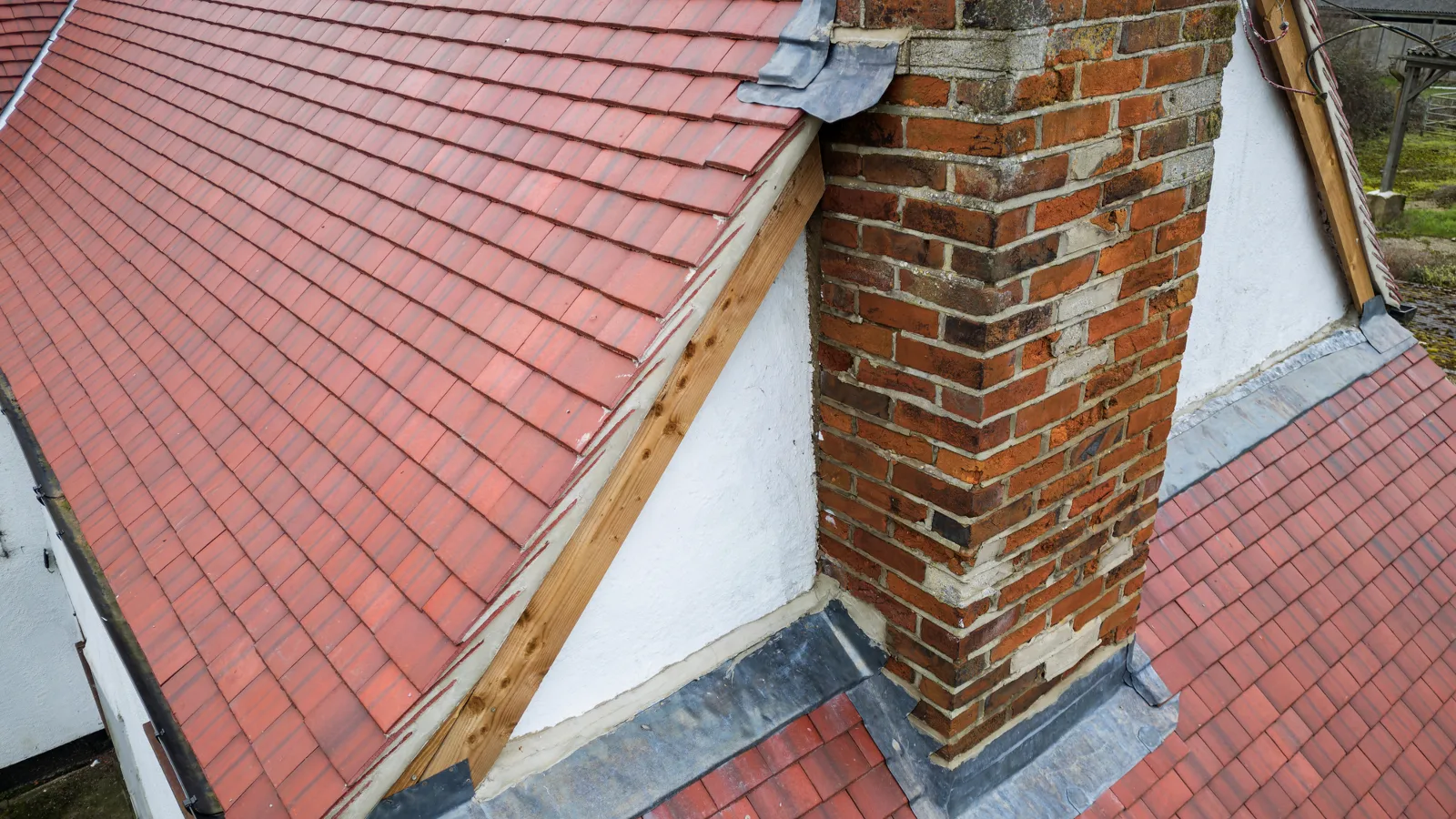
Leadwork across Lancashire & Greater Manchester
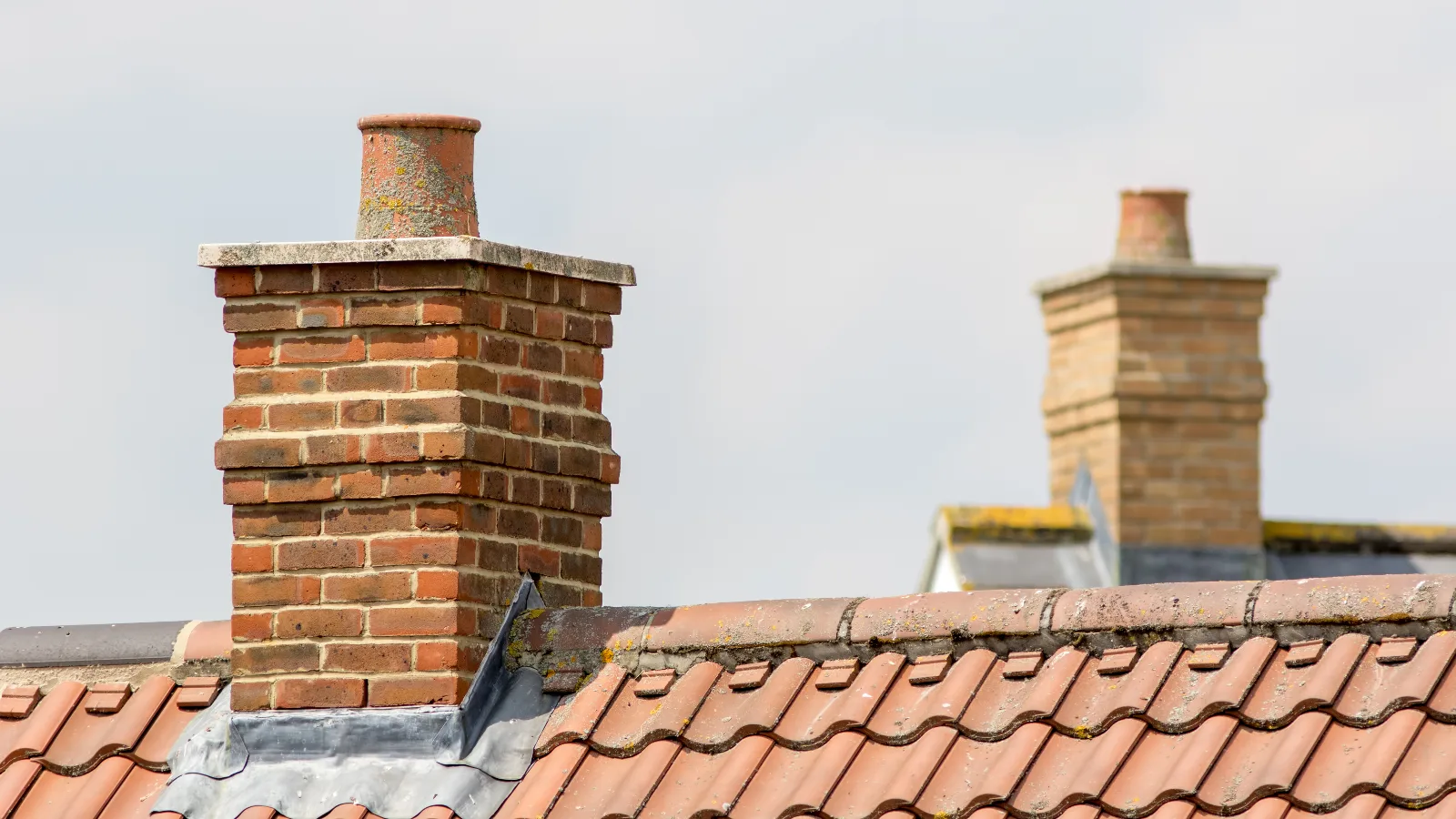
Lead flashings, valleys, chimney soakers and bay roofs renewed where water gets in at the joins.
Get a free quote for leadwork
Start with your name and number. It takes under a minute.
Leadwork
Leadwork from Oakcrest Roofing
Lead is used wherever a roof meets something else: a chimney, a wall, a dormer cheek or another roof slope. It is flexible enough to dress around awkward shapes and lasts a long time when laid correctly. When leadwork fails, it is usually because pieces were cut too long and split with thermal movement, were never wedged into the mortar joint, or have been replaced with cheap flashing tape.
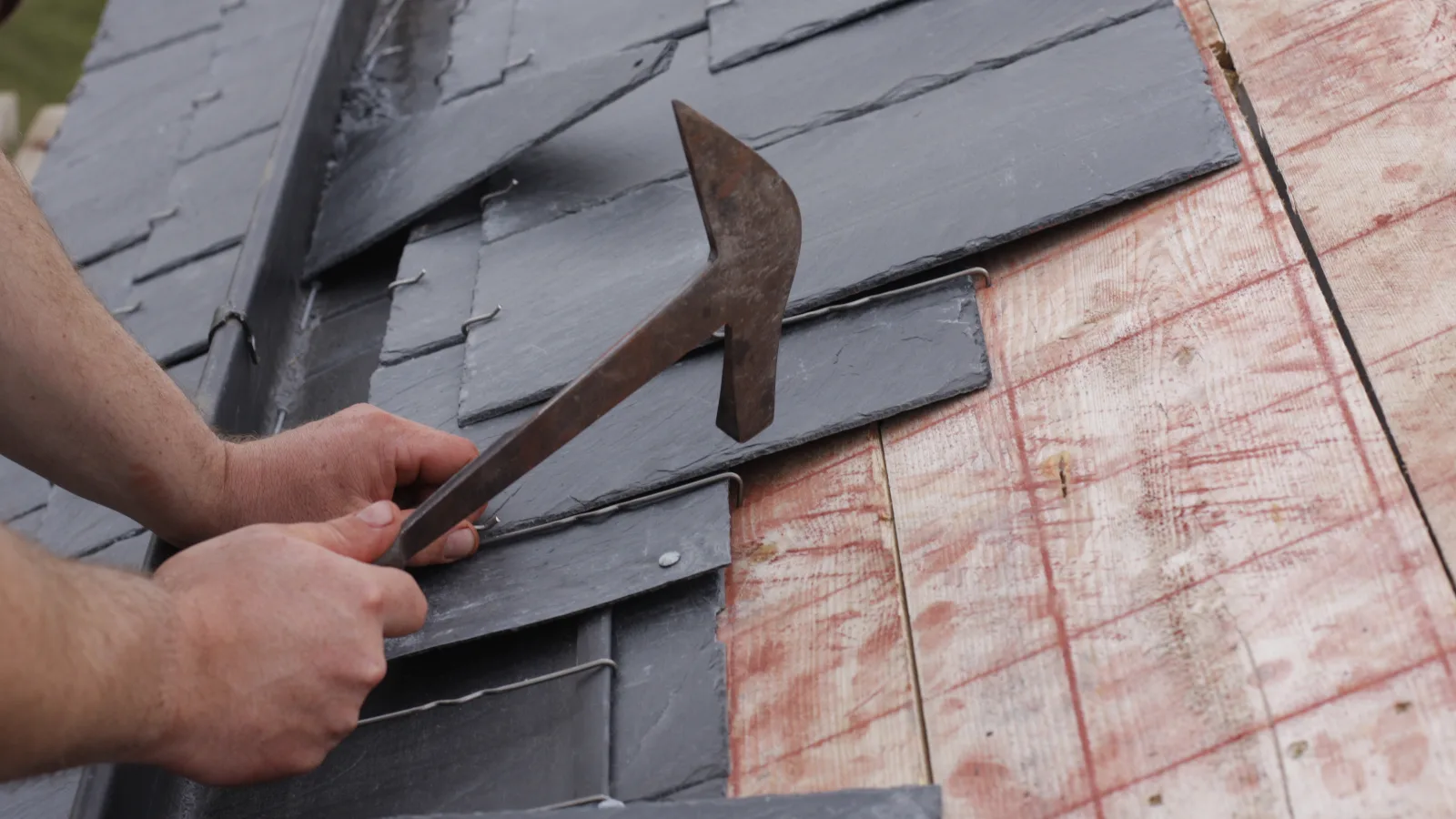
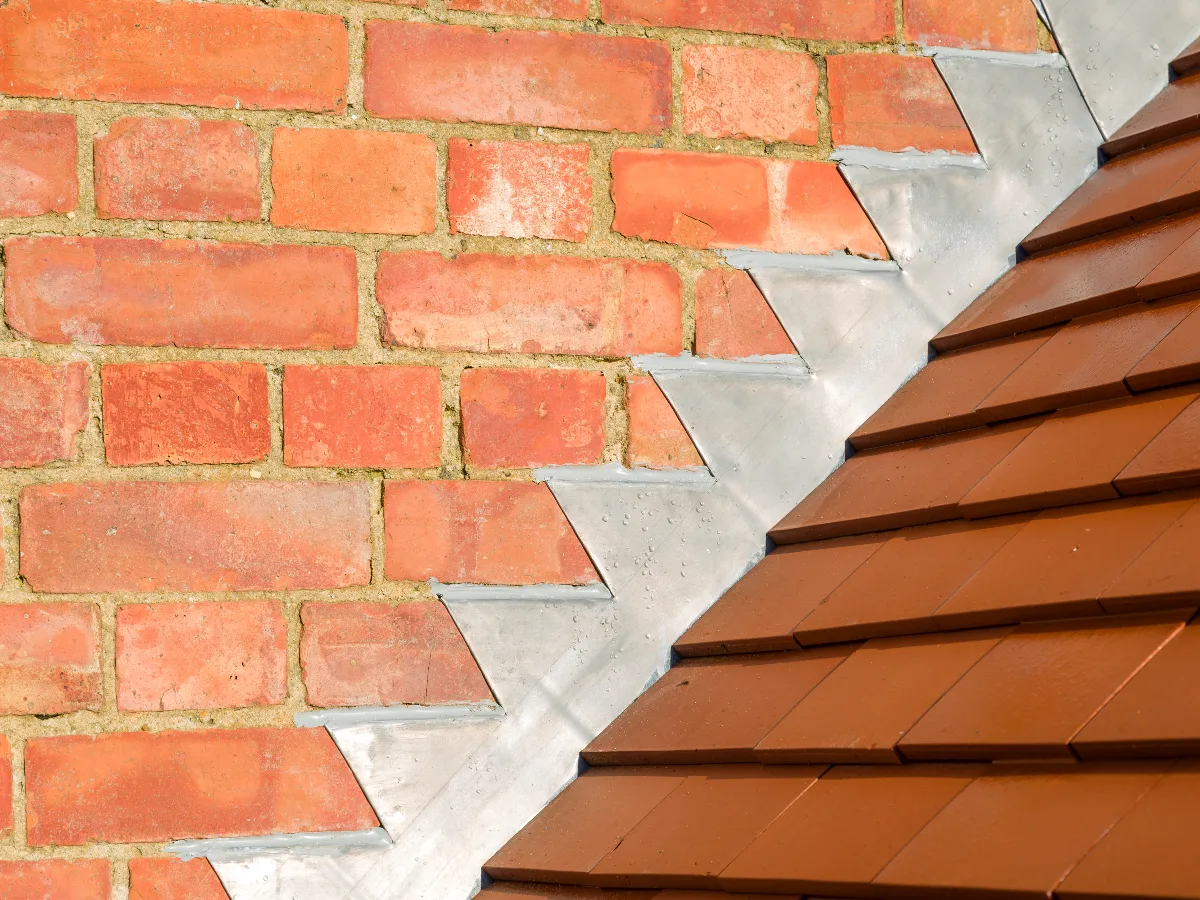
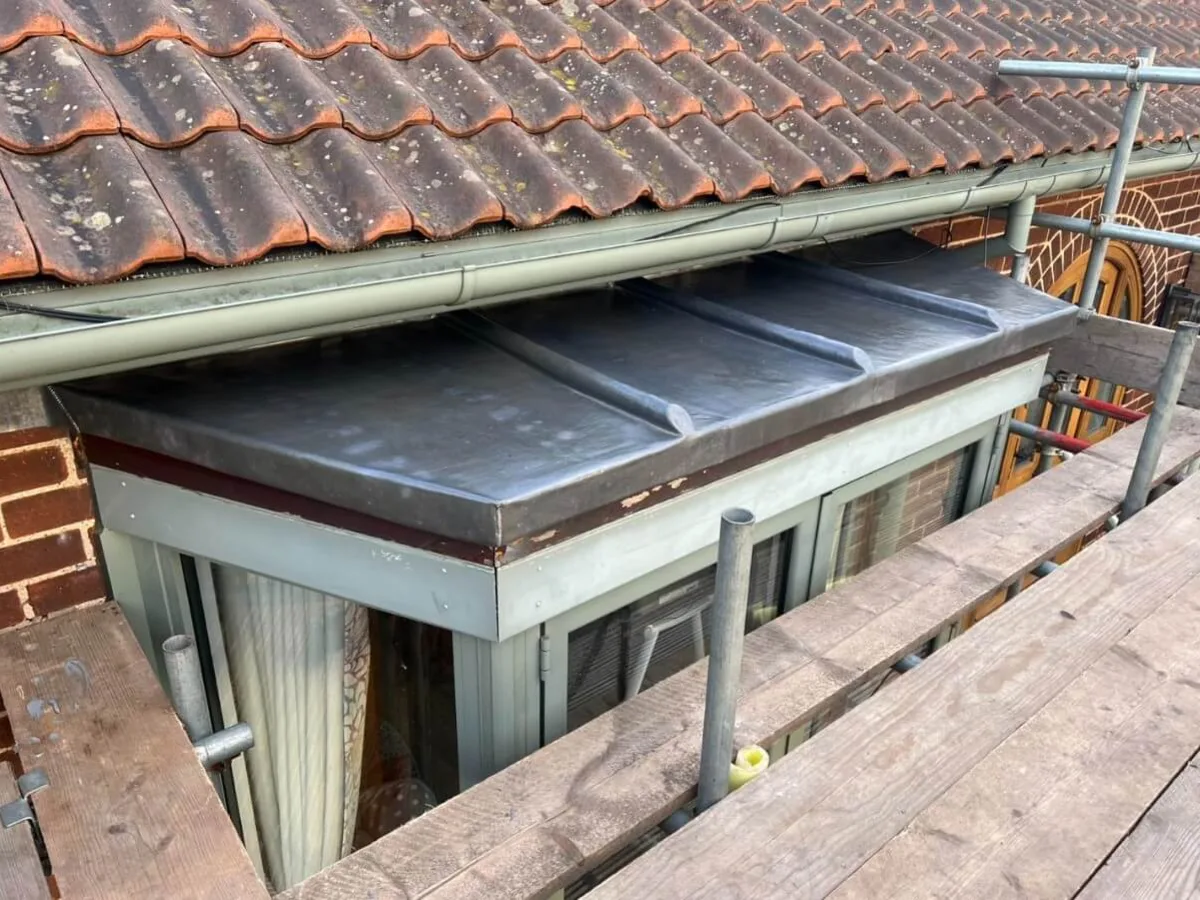
We cut and dress sheet lead on site in the thickness each detail calls for, chase flashings into the brickwork and wedge them, then seal the joint. Lead valleys are laid on timber boards with laps that allow movement, and bay window roofs are formed with rolls and drips so the lead can expand without cracking. Patination oil goes on afterwards to stop the white staining fresh lead can leave on brickwork.
Written price first
Itemised, before any work
What's included
What our leadwork service covers
The work that goes into the job, set out in your written quote.
- Step and cover flashings chased into the brickwork so water cannot track behind them
- Lead valleys on new boarding, with laps that let the sheet expand and contract
- Chimney soakers, back gutters and aprons that tie the stack into the roof
- Bay window and porch roofs formed with rolls and drips
- Lead in the correct thickness for each detail rather than one size for everything
- Patination oil to prevent white run-off staining walls and tiles
Get a free, no-obligation roofing quote
We come out, take a proper look and send you an itemised written price.
The process
How we carry out leadwork
From the first look at the roof to the final clear-up, this is how the job runs.
- 1
Step 1 of 4
Find the entry point
We trace stains and damp patches back to the junction they come from and check the existing lead for splits, lifting and missing wedges.
- 2
Step 2 of 4
Remove and prepare
Old lead and failed sealant are taken out, mortar joints raked, and any rotten valley boards or bay decking replaced.
- 3
Step 3 of 4
Cut and dress
New lead is cut to lengths that allow for movement, dressed to the shape of the roof, and fixed with wedges, clips or copper nails.
- 4
Step 4 of 4
Seal and finish
Joints are pointed or sealed, patination oil applied, and surrounding tiles or slates refitted so the detail sits flush.
Why choose us
Why homeowners choose Oakcrest for leadwork
A written price first
You get an itemised quote before any work starts, so you know what you are paying for and nothing changes once the scaffold is up.
Photos of what we find
We photograph the parts of the roof you cannot see from the ground, so you can judge the problem for yourself rather than take our word for it.
Repair or replace, honestly
If a repair will see the roof through, that is what we quote. When a roof is at the end of its life we tell you, so you can plan instead of paying twice.
Tidy sites, waste removed
Your garden, drive and windows are protected while we work, and every old tile, batten and offcut leaves with us at the end of the job.
Pricing
What affects the cost of leadwork
Leadwork costs come down to:
- Which details need renewing: flashings, valleys, soakers or a full bay roof
- The length and thickness of lead involved
- Access to the area, including whether scaffold is required
- Any rotten boarding or timber found under the old lead
No hidden extras
Scaffold and waste in the price
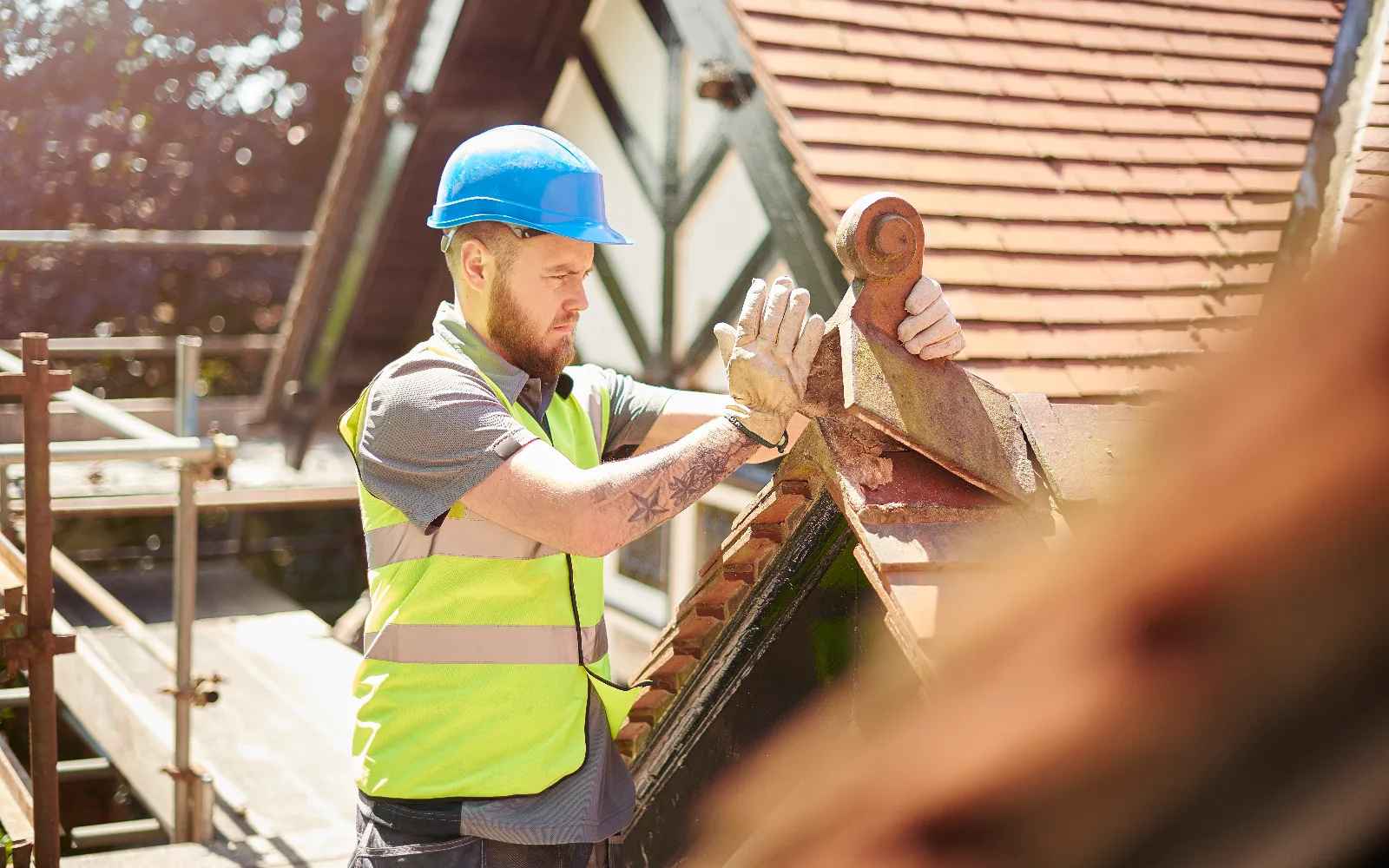
About us
Repairs and replacements, carried out with care
Oakcrest Roofing Ltd looks after pitched and flat roofs across Lancashire and Greater Manchester, from terraces with original slate to extensions and garages with tired flat roofs.
- Written, itemised quotes
- Photos of what we find
- Tidy sites, waste removed
Our work
Recent roofing work
Where we work
Leadwork near you
We carry out leadwork across Lancashire and Greater Manchester. Choose your town:

Aerial inspections
Drone roof surveys
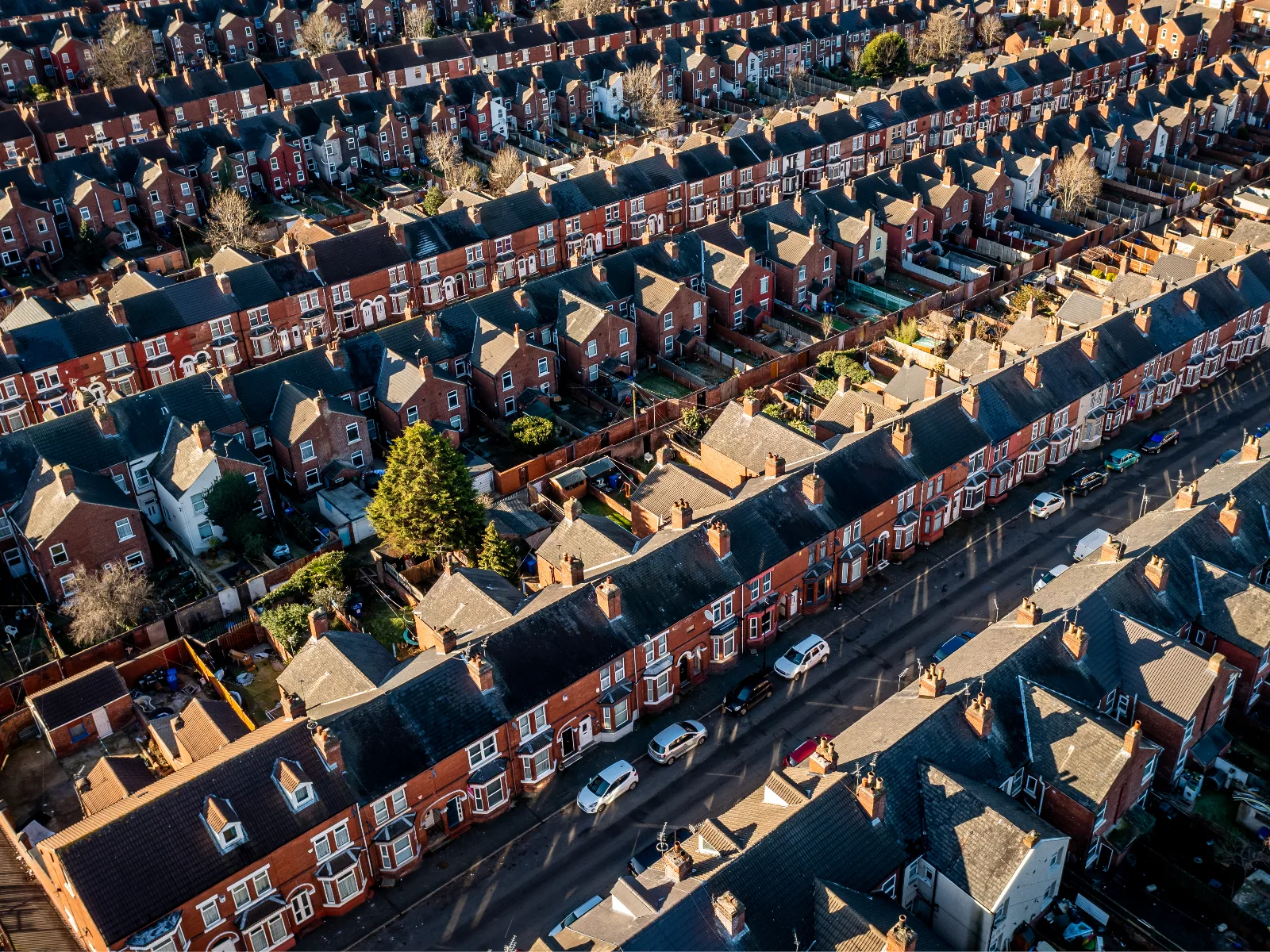
Our drone roof survey and aerial inspection service provides an instant, efficient and safe way to assess the condition of your roof. Using HD drones, we capture detailed images and videos of hard-to-reach areas, identifying potential issues like leaks, cracks, and structural damage.
This non-invasive method reduces risks and disruption and results in accurate data without the need for roof ladders or expensive scaffolding. Ideal for residential, commercial or industrial properties, this service ensures thorough, cost-effective inspections every time.
We advise that you get your roof professionally surveyed every 2-3 years to keep up with any potential damage and early signs of wear and tear. If we catch minor repairs early, they will not become a more serious problem in the future.
FAQs
Common questions about leadwork
Why has my lead flashing come away from the wall?
Is lead still used, or have alternatives replaced it?
Do lead valleys wear out?
Can leadwork be done without scaffolding?
Still have a question?
Can't find the answer you're looking for? Get in touch and we'll happily talk it through, with no obligation.
Get in touchRelated services